
11th Congress of the International Society of Hymenopterists

Held at the Instituto de Biología, Universidad Nacional Autónoma de México

Please note: all information on this page is presented first in English, and then in Spanish.

La información en esta página aparece primero en Inglés y luego en Español

Recent Updates:

  • You can now find a ‘program at a glance‘ to help with planning.
  • Remember to bring a rain jacket and umbrella – it will be warm, but often rains during the day.
  • Don’t forget to find an item to bring to the gala dinner raffle!
  • There is now a wonderful travel guide to Mexico City!
  • You can chat to others attending the conference on the forum – e.g. find people to share accommodation, organise to meet colleagues, get recommendations, etc.
  • Abstract submission is now closed.
  • Registration for the post Congress collecting trip is now closed.

Main menu

About the Congress

Location

About Mexico City

Mexico City, the capital of Mexico, is one of the largest and most vibrant urban centres in the world, home to over 9 million inhabitants within the city proper and more than 21 million in its metropolitan area. Founded in 1325 as Tenochtitlan, the capital of the Aztec Empire, it later became the centre of the Viceroyalty of New Spain after the Spanish conquest in 1521. This rich history is reflected in its remarkable architecture and cultural heritage, with iconic landmarks such as the Zócalo, the Templo Mayor, and the Palacio de Bellas Artes, as well as the nearby Teotihuacan pyramids, a UNESCO World Heritage Site.

Mexico City is also a hub of education and research in Latin America. The National Autonomous University of Mexico (UNAM), founded in 1910, is the oldest and most prestigious university in the country and one of the most important in the region. Its main campus, Ciudad Universitaria, located in the southern part of the city, was declared a UNESCO World Heritage Site in 2007 for its outstanding architectural and artistic design. The university hosts around 370,000 students across all its campuses and research centres, offering a wide range of undergraduate and graduate programmes and contributing significantly to scientific and cultural development in Mexico and beyond.

With its blend of deep historical roots, dynamic modern life, and thriving academic environment, Mexico City offers visitors a unique opportunity to experience the intersection of tradition, innovation, and world-class research.

Weather: In August in Mexico City, it is warm but often rains during the day. We recommend bringing an umbrella and waterproof jacket.

Acerca de la Ciudad de México

La Ciudad de México, capital del país, es uno de los centros urbanos más grandes y vibrantes del mundo, con más de 9 millones de habitantes en la ciudad y más de 21 millones en su área metropolitana. Fundada en 1325 como Tenochtitlan, capital del Imperio Azteca, se convirtió posteriormente en el centro del Virreinato de la Nueva España tras la conquista española en 1521. Esta rica historia se refleja en su notable arquitectura y patrimonio cultural, con lugares emblemáticos como el Zócalo, el Templo Mayor y el Palacio de Bellas Artes, así como las cercanas pirámides de Teotihuacan, declaradas Patrimonio de la Humanidad por la UNESCO.

La Ciudad de México también es un importante centro de educación e investigación en América Latina. La Universidad Nacional Autónoma de México (UNAM), fundada en 1910, es la universidad más antigua y prestigiosa del país y una de las más importantes de la región. Su campus principal, Ciudad Universitaria, ubicado al sur de la ciudad, fue declarado Patrimonio de la Humanidad por la UNESCO en 2007 por su excepcional diseño arquitectónico y artístico. La universidad cuenta con alrededor de 370,000 estudiantes distribuidos en sus distintos campus y centros de investigación, ofreciendo una amplia gama de programas de licenciatura y posgrado y contribuyendo de manera significativa al desarrollo científico y cultural de México y del mundo.

Con su mezcla de profundas raíces históricas, vida moderna dinámica y un entorno académico de primer nivel, la Ciudad de México ofrece a sus visitantes una oportunidad única para experimentar la intersección entre tradición, innovación e investigación de clase mundial.

Clima: En agosto, en la Ciudad de México, el clima es cálido, pero suele llover durante el día. Te recomendamos llevar un paraguas y una chaqueta impermeable.

About UNAM at Ciudad Universitaria

Ciudad Universitaria (CU) is an outstanding example of modernist architecture and urban planning, designed in the early 1950s by a multidisciplinary team of Mexican architects, engineers, and artists. Conceived as a “city within a city,” CU harmoniously integrates academic buildings, sports facilities, and open spaces within a landscape of volcanic rock from the ancient lava fields of El Pedregal. Its design follows the principles of modern functionalism, characterised by clean lines, geometric forms, and the fusion of art and architecture—embodied in the numerous murals and sculptures that adorn its buildings.

Among its most remarkable landmarks is the Espacio Escultórico, a monumental open-air installation created in 1979 that merges contemporary art with the natural terrain of the Pedregal. The Central Library, with its iconic stone mosaic mural by Juan O’Gorman, stands as a national symbol of Mexican identity and creativity. Surrounding these landmarks, the Cultural Zone brings together museums, theatres, and concert halls—such as the University Museum of Contemporary Art (MUAC) and the Nezahualcóyotl Concert Hall—which make Ciudad Universitaria not only an architectural masterpiece but also one of the most vibrant cultural and intellectual centres in Latin America.

Acerca de la UNAM en Ciudad Universitaria

Ciudad Universitaria (CU) es un ejemplo sobresaliente de la arquitectura y el urbanismo modernistas, diseñada a inicios de la década de 1950 por un equipo multidisciplinario de arquitectos, ingenieros y artistas mexicanos. Concebida como una “ciudad dentro de la ciudad”, CU integra de manera armónica edificios académicos, instalaciones deportivas y espacios abiertos en un paisaje de roca volcánica proveniente de los antiguos campos de lava del Pedregal. Su diseño sigue los principios del funcionalismo moderno, caracterizado por líneas limpias, formas geométricas y la fusión del arte y la arquitectura, reflejada en los numerosos murales y esculturas que adornan sus edificios.

Entre sus lugares más destacados se encuentra el Espacio Escultórico, una monumental instalación al aire libre creada en 1979 que combina el arte contemporáneo con el terreno natural del Pedregal. La Biblioteca Central, con su icónico mural de piedra mosaico diseñado por Juan O’Gorman, se erige como un símbolo nacional de la identidad y creatividad mexicanas. En torno a estos monumentos, la Zona Cultural reúne museos, teatros y salas de concierto —como el Museo Universitario Arte Contemporáneo (MUAC) y la Sala Nezahualcóyotl—, lo que convierte a Ciudad Universitaria no solo en una obra maestra arquitectónica, sino también en uno de los centros culturales e intelectuales más dinámicos de América Latina.

UNAM Library

About Instituto de Biología (IBUNAM)

The Institute of Biology of the National Autonomous University of Mexico (IBUNAM) is one of the country’s oldest and most prestigious research institutions in the field of natural sciences. Founded in 1929, it has played a leading role in documenting and studying Mexico’s extraordinary biodiversity. Its current headquarters, located within Ciudad Universitaria, reflect the architectural principles of the university’s modernist design, integrating functionality, open spaces, and natural light to foster scientific collaboration and connection with the surrounding landscape. The IBUNAM houses extensive zoological, botanical, and mycological collections that serve as essential references for biodiversity research in Mexico and Latin America.

Adjacent to the IBUNAM lies the UNAM Botanical Garden, established in 1959, which conserves and displays a vast collection of native Mexican flora, including many threatened and endemic species. The recently inaugurated Pabellón de la Biodiversidad (PaBio), which is part of the IBUNAM, serves as a public exhibition and education space highlighting Mexico’s biological richness. Designed as a contemporary and sustainable structure that combines glass, steel, and volcanic stone, the PaBio continues the architectural dialogue with the natural landscape of the Pedregal while incorporating state-of-the-art exhibition and educational facilities. Together, the IBUNAM, the Botanical Garden, and the PaBio form an integrated centre for research, conservation, and public engagement with Mexico’s biodiversity.

Acerca del Instituto de Biología (IBUNAM)

El Instituto de Biología de la Universidad Nacional Autónoma de México (IBUNAM) es una de las instituciones de investigación más antiguas y prestigiosas del país en el campo de las ciencias naturales. Fundado en 1929, ha desempeñado un papel fundamental en la documentación y estudio de la extraordinaria biodiversidad de México. Su sede actual, ubicada dentro de Ciudad Universitaria, refleja los principios arquitectónicos del diseño modernista de la universidad, integrando funcionalidad, espacios abiertos y luz natural para fomentar la colaboración científica y la conexión con el entorno. El IBUNAM alberga extensas colecciones zoológicas, botánicas y micológicas que constituyen referencias esenciales para la investigación de la biodiversidad en México y América Latina.

A un costado del IBUNAM se encuentra el Jardín Botánico de la UNAM, fundado en 1959, que conserva y exhibe una vasta colección de flora mexicana nativa, incluyendo muchas especies amenazadas y endémicas. El recientemente inaugurado Pabellón de la Biodiversidad (PaBio), que forma parte del IBUNAM, funciona como un espacio público de exhibición y educación que destaca la riqueza biológica de México. Diseñado como una estructura contemporánea y sostenible que combina vidrio, acero y piedra volcánica, el PaBio continúa el diálogo arquitectónico con el paisaje natural del Pedregal, incorporando modernas instalaciones educativas y museográficas. En conjunto, el IBUNAM, el Jardín Botánico y el PaBio conforman un centro integrado de investigación, conservación y divulgación de la biodiversidad mexicana.

IBUNAM, main building

Botanical garden

Congress Venue

The onsite registration and the oral and poster presentations will take place at the auditorium located in the Jardín Botánico. The welcome party will take place at the PaBio. Lunch during the congress will be included with the registration and will be provided at Jardín La Espiga, located about 50 m from the auditorium.

Sede del Congreso

El registro presencial y las presentaciones orales y de carteles se llevarán a cabo en el auditorio ubicado en el Jardín Botánico. La recepción de bienvenida se realizará en el PaBio. El almuerzo durante el congreso estará incluido en la inscripción y se ofrecerá en el Jardín La Espiga, ubicado aproximadamente a 50 metros del auditorio.

Jardín Botánico, auditorium

Foro Dhalia

Jardín La Espiga

Travel Guide

Visa Information

Participants travelling to Mexico must verify the visa requirements applicable to their country of citizenship before making travel arrangements. Citizens of several countries, including most from Latin America, do not require a visa to enter Mexico for tourism or academic events lasting less than 180 days, provided they hold a valid passport. However, participants from countries that do require a visa are strongly encouraged to initiate the application process well in advance, as processing times may vary depending on the local Mexican consulate.

For attendees from countries that do require a visa, the Organising Committee of the 11th International Congress of the International Society of Hymenopterists will provide an official letter of invitation upon request. This letter can be used to support the visa application and should be requested as early as possible to ensure timely processing. Participants from countries that require a Mexican visa are kindly requested to contact the Local Organizing Committee (ishmexico2026@gmail.com) as soon as they complete their registration, providing the following information:
– Full name
– Current affiliation
– Title of the abstract

Información sobre Visas

Los participantes que viajen a México deben verificar los requisitos de visa aplicables a su país de ciudadanía antes de hacer sus arreglos de viaje. Los ciudadanos de varios países, incluyendo la mayoría de los países latinoamericanos, no requieren visa para ingresar a México con fines turísticos o académicos por un periodo menor a 180 días, siempre que cuenten con un pasaporte válido. Sin embargo, se recomienda encarecidamente a los participantes de países que sí requieren visa iniciar el proceso de solicitud con suficiente anticipación, ya que los tiempos de trámite pueden variar según el consulado mexicano correspondiente.

Para los asistentes provenientes de países que requieren visa mexicana, el Comité Organizador del 11.º Congreso de la International Society of Hymenopterists proporcionará con previa solicitud, una carta oficial de invitación. Esta carta podrá utilizarse como apoyo para el trámite de la visa y deberá solicitarse con la mayor antelación posible para garantizar un procesamiento oportuno, por lo que una vez completado su registro, se les invita amablemente a que se pongan en contacto lo antes posible con el comité organizador local (ishmexico2026@gmail.com), proporcionando la siguiente información:
– Nombre completo
– Afiliación actual
– Título del resumen

Key Dates

  • Registration opens: December 2025
  • Early bird registration closes: 1 May 2026
  • Regular registration closes: 18 July 2026
  • Late registration closes: 2 August 2026
  • Collection trip registration opens: 5 March 2026
  • Collection trip registration closes: 13 June 2026
  • Abstract submission opens: 3 Feb 2026
  • Abstract submission closes: 31 May 2026 (extended from 22 May)
  • Symposium suggestions close: 15 April 2026
  • Student travel grant application opens: 3 Feb 2026
  • Student travel grant applications closes: 3 March 2026

Local Organising Committee

  • Alejandro Zaldívar Riverón
  • Jovana M. Jasso-Martínez
  • Ismael A. Hinojosa Díaz
  • Juana María Coronado Blanco

    And team: Jaime Solís de la Rosa, Alejandra del Rocio Rivera Estrada, Isamara Silva dos Santos, Brenda Sotomayor Ruíz, Ana Celeste Martínez Cervantes, Rubén Castañeda Osorio, Arian Sonora Aguirre, José Ángel Vargas Hernández, Kevin Reynaga, Dina Abigail Castillo Castillo

ISH Executive Organising Group

  • Natalie Dale-Skey
  • Erinn Fagan-Jeffries
  • Jess Awad
  • Miles Zhang
  • Juanita Rodriguez

Scientific Committee

  • Stephania Sandoval Arango
  • Rubén Castañeda Osorio
  • Bernardo Santos
  • Luke Kresslein
  • Jessica Awad
  • Yuanmeng Miles Zhang
  • Alana McClelland
  • Alejandra González
  • Eduardo Shimbori
  • Davide Dal Pos
  • Ernesto Samacá 
  • Jovana Jasso Martínez
  • Alejandro Zaldívar Riverón
  • Ismael Hinojosa
  • Juanita Coronado

Code of Conduct

As with all meetings, congress attendees are obligated to respect and adhere to the ISH Code of Conduct.

Travel and Accommodation

How to get to the UNAM Institute of Biology

(Modified from https://www.ib.unam.mx/ib/como-llegar/)

The Institute of Biology (IB) is located at the main campus of the National Autonomous University of Mexico (UNAM), known as Ciudad Universitaria (CU). This is a large campus situated in the southern part of Mexico City, within the Coyoacán district. The IB is located on the western side of Ciudad Universitaria. It can be reached via Mexico City’s public transport system from the Universidad Metro station on Line 3 (the light green line), or from the Ciudad Universitaria Metrobus station (Line 1). From either station, there is a connection with the Pumabús, UNAM’s free internal transport system.

Link to the Interactive Map of Ciudad Universitaria (see number 29 – Institute of Biology):
https://www.unaminternacional.unam.mx/archivos/doc/blog/quieres-estudiar-en-la-unam/ciudad-universitaria.pdf

Link to the Pumabús network website:
https://www.dgsgm.unam.mx/pumabus.html

The IB facilities complex is located a few metres before the Jardín Botánico stop on the Pumabús system. Entering from the Circuito Exterior (the main road on that side of the campus), the central buildings are on the right, and the Jardín Botánico buildings (including the auditorium) are on the left. The event will be held primarily in the Jardín Botánico auditorium. Signs will be provided to help you locate both the auditorium and the registration desk.


Access via Metro and Metrobus

Universidad Metro Station
Arrive at the Universidad Metro station, which is the terminal station of Line 3. Take the exit towards the university campus (west exit, on the right-hand side of the station), enter CU and locate the Pumabús stop, specifically Route 4, which runs from the Universidad Metro station to the Jardín Botánico.

The boarding stop for Pumabús Route 4 is located along the university circuit, past the “Tú y Yo” sculpture (follow the dashed line on the map shown below). Board Route 4 and get off at the Jardín Botánico stop (approximately a 20-minute ride). Enter the IB facilities following the directions given above (see map in the next section).

Metrobus CU

Arrive at the Ciudad Universitaria station on Line 1 of the Metrobus network. Walk along the station’s access platform and turn left (west) at the intersection with the bridge that connects both sides of the campus. Go down the access ramp from the Metrobus station and follow the path for about 50 m until you reach the Pumabús “Metrobus CU” stop (the route is marked by the black dotted line on the map below). Wait at the stop for Pumabús Route 10 and board. Get off at the “Jardín Botánico” stop (a 5–10 minutes ride). Enter the IB facilities following the directions given in the previous section.

Alternatively, you can walk to the IB facilities (a 10–15 minutes walk) by crossing the circuit from the Pumabús “Metrobus CU” stop, following the route shown on the map below (red dashed line). This route passes outside the Institutes of Biomedical Sciences and Ecology, reaching the Pumabús “Jardín Botánico” stop, from which you can follow the same directions for accessing the IB provided in the previous section.

Transportation from Mexico City International Airport (AICM) to the UNAM Institute of Biology

The Mexico City International Airport (AICM) has two terminals (Terminal 1 and Terminal 2). Access to the city’s metro network is through the Terminal Aérea Metro station on Line 5 (yellow line), located next to Gate 1 of AICM Terminal 1.

If your flight arrives at AICM Terminal 2, you must take a bus from Gate 4 at that terminal (fare: $16.00 MXN) to reach Terminal 1.

To enter the Metro, you need a Mobility Card, which can be purchased at any station (cost: $15.00 MXN, plus travel credit). Each Metro ride costs $5.00 MXN, and you can add as much credit as needed. Medium-sized suitcases are allowed on the Metro.

Please note that in the Mexico City Metro, the first two train cars are reserved for women and children under 12; the remaining cars are open to all passengers.


Instructions

  1. Enter the Terminal Aérea station on Metro Line 5, go to the platform towards Politécnico, and board the train.
  2. Get off at La Raza station (7 stops from Terminal Aérea).
  3. Transfer to Line 3 (light green line) at La Raza, take the platform heading towards Universidad, and board the train.
  4. Get off at Universidad station (17 stops from La Raza; Universidad is the terminal station).
  5. Take the west exit from the station (follow the signs to the university campus). Once inside the campus, locate the Pumabús stop and specifically the Route 4 boarding point (see map and details in the Metro Universidad section above).
  6. Take Pumabús Route 4 (Metro Universidad – Jardín Botánico).
  7. Get off at the Jardín Botánico stop (approximately a 20-minute ride).
  8. Enter the Institute of Biology complex (see Metrobus CU map above).

Link to the Mexico City Metro (and other public transport systems) network map:
https://www.semovi.cdmx.gob.mx/movilidad-integrada/mi-mapa


From Felipe Ángeles International Airport (AIFA)

The Felipe Ángeles International Airport (AIFA) began operations recently. It is located about 40 km north of Mexico City, so connecting to the city’s public transport system takes longer. If you arrive at this airport, there are several options for reaching Metro stations in the northern part of the city. Always ensure you use authorised transportation.

  1. Take a bus from AIFA to any terminal in Mexico City (the most accessible is the Indios Verdes Metro station on Line 3).
  2. At Indios Verdes, board Metro Line 3 towards Universidad.
  3. Get off at Universidad station (20 stops; this route covers the entire Line 3).
  4. Follow instructions 5 to 8 described above for arrivals from AICM.

Accommodation Suggestion

The Radisson Paraíso Mexico City Hotel (Google Maps link) is conveniently located near the Institute of Biology. It is close to the Perisur Metrobus station, which is two stops away from Ciudad Universitaria station (direction: Indios Verdes). The hotel is also adjacent to a shopping centre offering a wide variety of shops and restaurants.

The cost is relatively affordable, and the hotel offers a preferential rate for UNAM events. To obtain the preferential rate you can make your reservation by phone (+52 55 5927 5959 – phone calls can be made in English) and use the code “11th Congress of the International Society of Hymenopterists”. To make room reservations at the Paraiso Radisson Hotel via email, please contact Estafanía Cerón, the hotel’s sales manager, at the following email addresses: ventas1@radisson.com.mx, and, reservaciones@radisson.com.mx. Please specify the type of room requested and mention the following code: 11th UNAM Congress of Hymenopterists.

After receiving the room reservation confirmation, please sign it and send it back to the same two email addresses. A valid credit card will be required to guarantee each reservation.

PRICES

DOUBLE ROOM, 2 BEDS
(2 ADULTS AND 2 CHILDREN UNDER 12 YEARS OLD)

Special national rate: MXN $1,732.75
Special international rate: MXN $2,031.50

SINGLE ROOM, KING BED
(1 OR 2 ADULTS)

Special national rate: MXN $1,732.75
Special international rate: MXN $2,031.50

There are also many other accommodation options near Ciudad Universitaria, ranging from hotels of different categories to rooms and full apartments available through platforms such as Airbnb and Booking. Participants should be able to find a wide variety of choices within short travel distance to the Institute of Biology.

***

El Hotel Radisson Paraíso Mexico City (enlace a Google Maps) goza de una ubicación privilegiada cerca del Instituto de Biología. Se encuentra próximo a la estación de Metrobus Perisur, a dos paradas de la estación Ciudad Universitaria (dirección: Indios Verdes). El hotel también está junto a un centro comercial con una amplia variedad de tiendas y restaurantes.

El precio es relativamente accesible y el hotel ofrece una tarifa preferencial para eventos de la UNAM. Para obtener la tarifa preferencial, debe reservar por teléfono (+52 55 5927 5959; se atienden llamadas en inglés) e indicar el código “11vo Congreso de la Sociedad Internacional de Himenopterólogos”. Es posible ya realizar reservaciones de habitaciones en el Paraiso Raddison por correo electrónico. Por favor, para hacer una reservación escriban a Estafanía Cerón, gerente de ventas del hotel, a los dos siguientes correos electrónicos: ventas1@radisson.com.mx y reservaciones@raddison.com.mx. Por favor, especifiquen el tipo de habitación y mencionen el siguiente código: 11 VO CONGRESO DE HIMENOPTEROLOGOS UNAM. Después de que reciban la confirmación de la reserva del cuarto, por favor enviarlas firmadas de vuelta a los mismos dos correos electrónicos. Se solicitará tarjeta de crédito vigente para garantizar cada reservación.

PRECIOS

DOBLE, 2CAMAS (2 ADULTOS Y DOS MENORES DE 12 AÑOS)

TARIFA ESPECIAL NACIONAL. $1,732.75 PESOS MN

TARIFA ESPECIAL INTERNACIONAL. $2,031.50 PESOS MN

SENCILLA CAMA KING (1 O 2 ADULTOS)

TARIFA ESPECIAL NACIONAL. $1,732.75 PESOS MN

TARIFA ESPECIAL INTERNACIONAL. $2,031.50 PESOS MN

También existen muchas otras opciones de hospedaje cerca de Ciudad Universitaria, que incluyen hoteles de distintas categorías, así como habitaciones y apartamentos completos disponibles a través de plataformas como Airbnb y Booking. Los participantes deberían poder encontrar una amplia variedad de alternativas a poca distancia del Instituto de Biología.

Student Travel Grants

Travel grants for students and Early Career (up to 3 years post terminal degree) are now closed.

Winners:

  • Ana Cristina Garcia-Cordon, Washington State University, USA
  • André Vital Ferreira, University of Brasília, Brazil
  • Valeriy Govorov, Charles University, Czechia
  • Wenqian Hu, Sichuan University, China
  • Zixuan Li, Fujian Agriculture and Forestry University, China
  • Robin Marquez, University of Central Florida, USA

Las becas de viaje para estudiantes e investigadores en etapas tempranas de su carrera (hasta 3 años después de obtener el grado terminal) ya están cerradas.

Ganadores:

  • Ana Cristina García-Cordón, Universidad Estatal de Washington, EE. UU.
  • André Vital Ferreira, Universidad de Brasilia, Brasil
  • Valeriy Govorov, Universidad Carlos, República Checa
  • Wenqian Hu, Universidad de Sichuan, China
  • Zixuan Li, Universidad de Fujian de Agricultura y Silvicultura, China
  • Robin Márquez, Universidad de Florida Central, EE. UU

Program

Keynote Speakers:

Rodrigo M. Feitosa

Rodrigo Machado Feitosa is an Associate Professor of Zoology at the Federal University of Paraná (UFPR), Brazil. He earned his Ph.D. in Entomology from the University of São Paulo and completed postdoctoral training at its Museum of Zoology. His research focuses on the systematics and biology of Neotropical ants, with an emphasis on phylogenetics, taxonomy, and biodiversity inventories. Beyond academia, he serves as President of the Brazilian Entomological Society, Taxon Coordinator for ants in the Brazilian Red List of Threatened Species, and coordinator of the ant specialist group within the IUCN Species Survival Commission. He is also an Associate Editor for several international entomology journals.

Juanita Rodriguez

Juanita Rodriguez is a research scientist and Hymenoptera curator at the Australian National Insect Collection (ANIC). Her research focuses on the use of morphological and molecular data to study the systematics, diversification, evolution and historical biogeography of various Hymenoptera groups (Pompilidae, Mutillidae, bees and others). She grew up in Bogotá, Colombia, where she obtained her B.Sc and M.Sc degrees at Universidad Nacional de Colombia. In 2014 she obtained her Ph.D. at Utah State University. She worked as a postdoctoral researcher at Auburn University between 2014-2016. In August 2016 she joined the Australian National Insect Collection. She is the current ISH President.

Interactive Program

Coming in 2026

PDF program

Program at a glance

Gala/Farewell Dinner

The gala dinner of the 2026 International Society of Hymenopterists congress will take place on Friday, 14 August at the Antigua Hacienda de Tlalpan, a historic venue located in the southern part of Mexico City. Surrounded by lush gardens and offering a peaceful yet elegant atmosphere, it provides an ideal setting for a memorable evening among colleagues.

Built in 1837, the hacienda reflects the architectural character of 19th-century Mexico and has been associated with notable historical figures. Its well-preserved design features spacious courtyards, solid stone walls, and traditional details that evoke its past as a distinguished country estate, making it a place of considerable cultural and aesthetic value. During the evening, participants will enjoy a carefully curated menu that blends traditional Mexican cuisine with contemporary touches, offering a refined culinary experience in keeping with the richness of the venue. The celebration will also feature a DJ and live mariachis, and we will host our guests in the warm and generous spirit for which Mexico is known, ensuring a truly festive and memorable experience.

Gala Raffle

It is a society tradition that at the gala, attendees may bring a small item, ideally from their home country, to offer into a raffle. Everyone who donates an item to the raffle may then take part and receives a raffle ticket, and wins one of the donated items. It is a chance to receive a fun piece of another hymenopterists’ culture or something related to Hymenoptera. Previous items have included everything from classic souvenirs to Hymenoptera paraphernalia, items relating to other insects (also known as hymenotperan hosts), collecting equipment, items of clothing, assorted oddities or books. Something small representing your country or favourite hymenopteran is perfect!

Cena del gala

La cena de gala del congreso 2026 de la International Society of Hymenopterists se llevará a cabo el viernes 14 de agosto en la Antigua Hacienda de Tlalpan, un recinto histórico ubicado en la zona sur de la Ciudad de México. Rodeada de exuberantes jardines y con una atmósfera tranquila y elegante, ofrece el entorno ideal para una velada memorable entre colegas.
Construida en 1837, la hacienda refleja el carácter arquitectónico del México del siglo XIX y ha estado vinculada a figuras históricas notables. Su diseño bien conservado incluye amplios patios, sólidos muros de piedra y detalles tradicionales que evocan su pasado como una distinguida casa de campo, lo que la convierte en un sitio de gran valor cultural y estético.
Durante la noche, los participantes disfrutarán de un menú cuidadosamente seleccionado que combina la cocina tradicional mexicana con toques contemporáneos, ofreciendo una experiencia culinaria refinada acorde con la riqueza del lugar. La celebración también contará con un DJ y mariachis en vivo, y agasajaremos a nuestros invitados con la calidez y generosidad que caracterizan a México, asegurando una experiencia verdaderamente festiva e inolvidable.

Rifa de la Gala

Es una tradición de la sociedad que, durante la gala, los asistentes puedan traer un pequeño obsequio, idealmente representativo de su país de origen, para contribuir a una rifa. Todas las personas que donen un artículo a la rifa podrán participar y recibirán un boleto, con la posibilidad de ganar uno de los objetos donados.

Es una oportunidad para llevarse un recuerdo interesante de la cultura de otro himenopterólogo o algún artículo relacionado con los himenópteros. En años anteriores, los premios han incluido desde recuerdos típicos y artículos relacionados con himenópteros, hasta objetos vinculados con otros insectos (también conocidos como huéspedes de los himenópteros), equipo de colecta, prendas de vestir, curiosidades diversas o libros.

¡Cualquier objeto pequeño que represente a tu país o a tu himenóptero favorito será una excelente contribución!

Mid-Conference Excursion

Excursion to Teotihuacan Pyramids

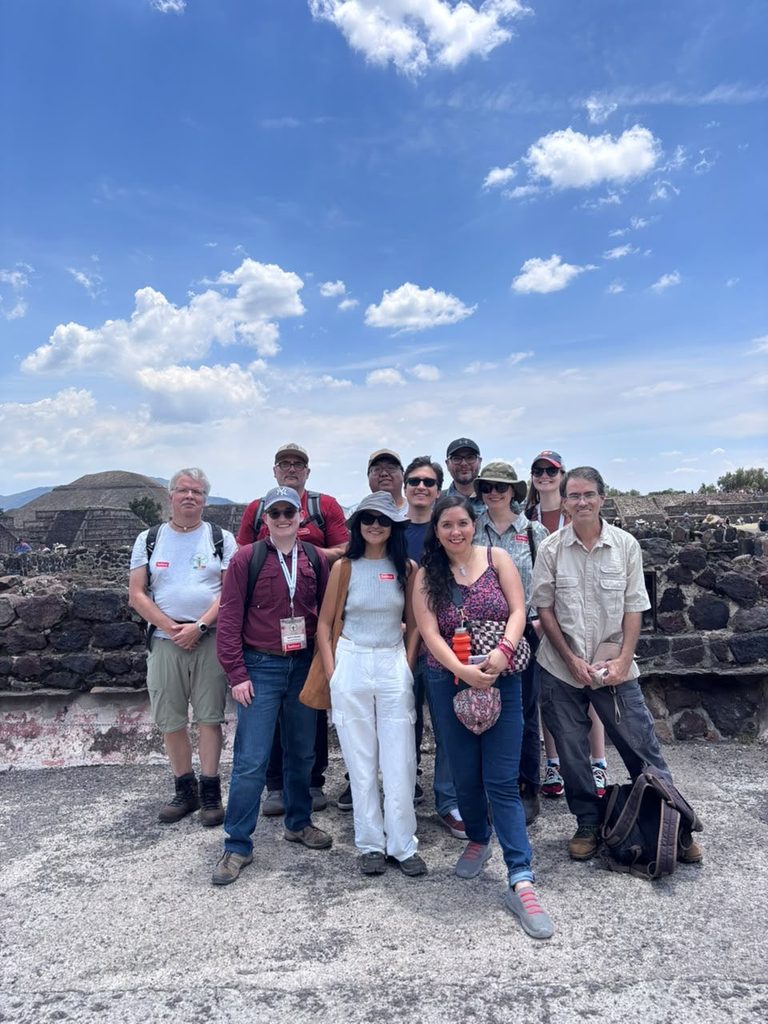
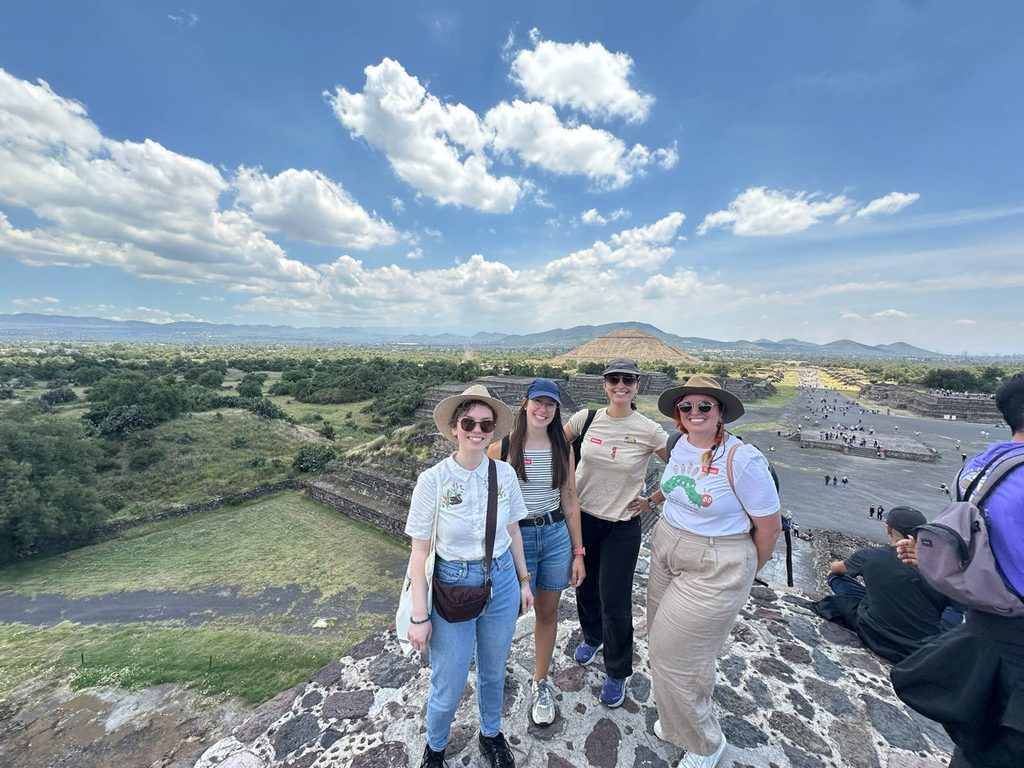
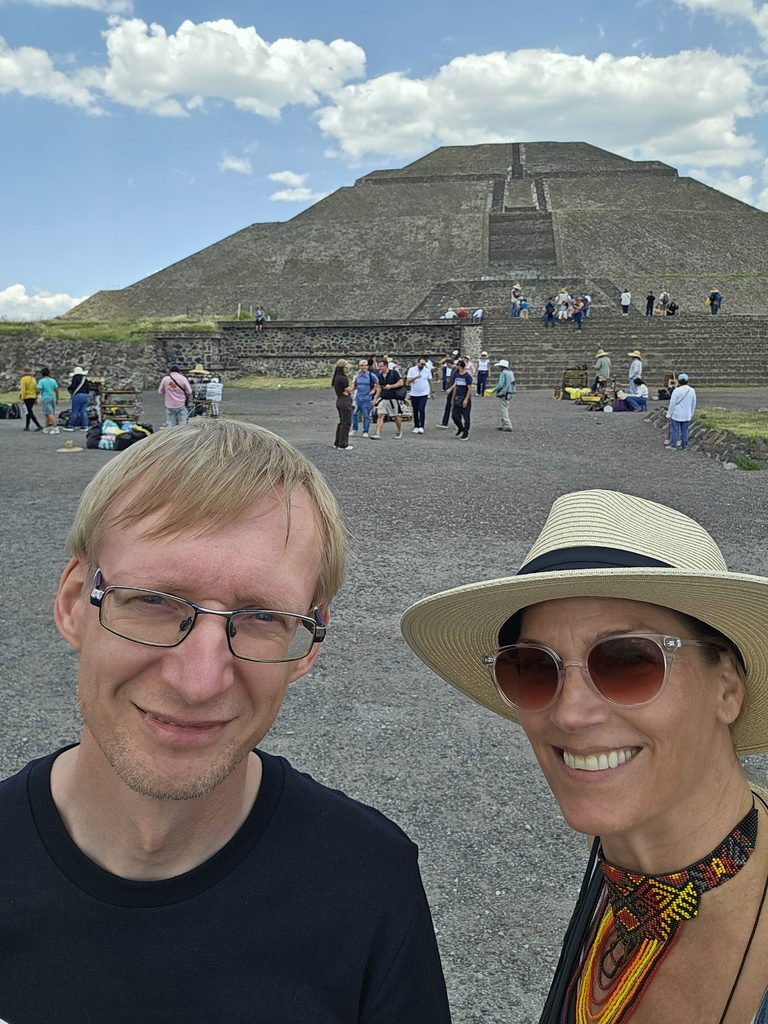
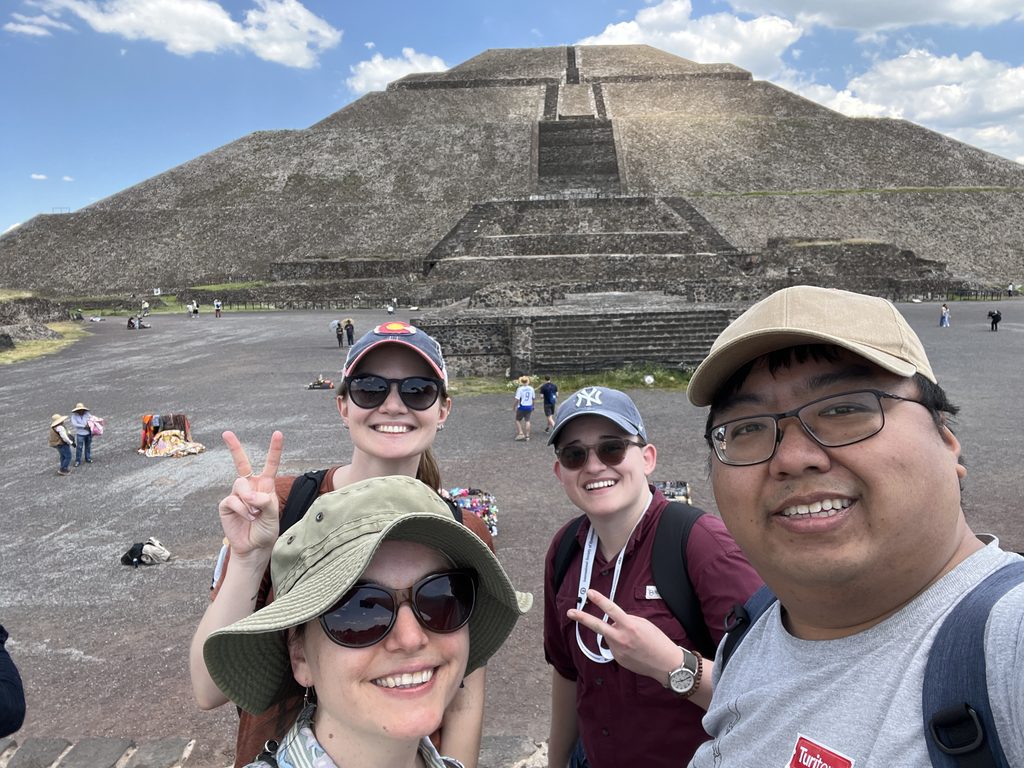
On Wednesday, 12 August, a conference excursion will be offered to the Archaeological Zone of Teotihuacan, one of the most iconic and impressive ancient cities in the Americas. Participants will have the opportunity to explore its monumental pyramids—including the Pyramid of the Sun and the Pyramid of the Moon—as well as the Avenue of the Dead and other remarkable structures that showcase the grandeur of this UNESCO World Heritage Site. This visit will provide a memorable cultural experience and a unique glimpse into the history and architectural achievements of pre-hispanic Mesoamerica. The cost of this excursion is included in the registration fee.
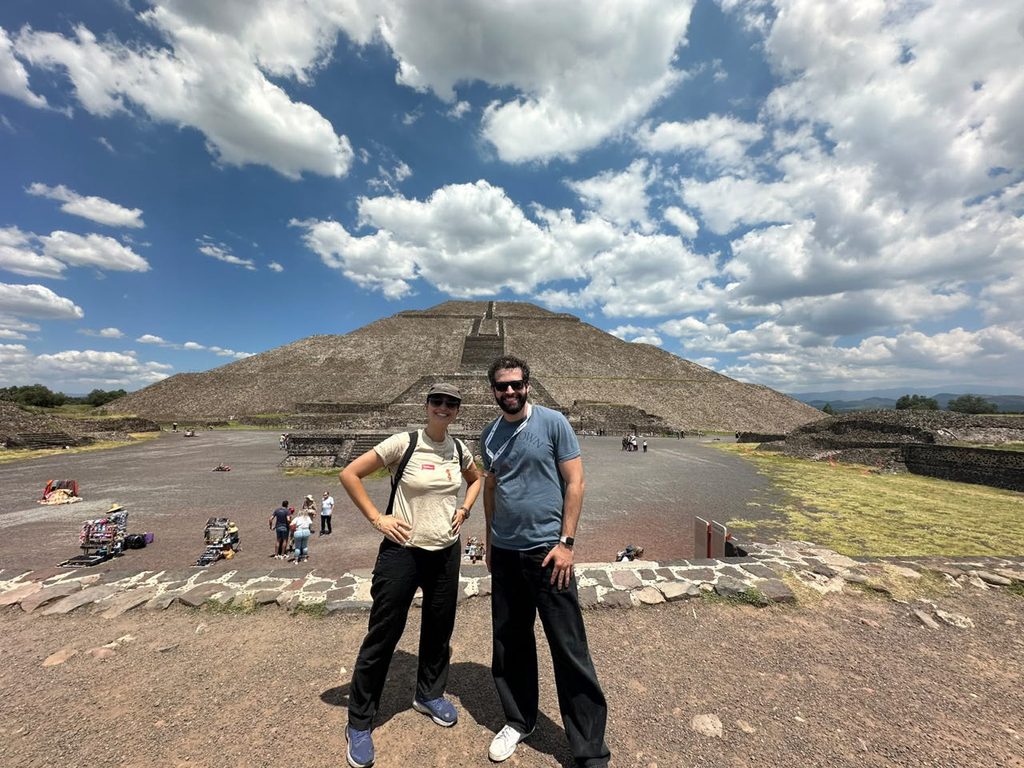
El miércoles 12 de agosto se ofrecerá una excursión del congreso a la Zona Arqueológica de Teotihuacan, una de las ciudades antiguas más emblemáticas e impresionantes de las Américas. Los participantes tendrán la oportunidad de recorrer sus pirámides monumentales —incluyendo la Pirámide del Sol y la Pirámide de la Luna—, así como la Calzada de los Muertos y otras estructuras notables que reflejan la grandeza de este sitio declarado Patrimonio Mundial por la UNESCO. Esta visita ofrecerá una experiencia cultural memorable y una oportunidad única para asomarse a la historia y los logros arquitectónicos de la Mesoamérica prehispánica. El costo de esta excursión está incluido en la cuota de inscripción.

Collecting Trip

Post-congress excursion

Registration for the collecting trip has now closed.

¡La inscripción para la excursión de colecta ya ha finalizado.

A post-conference field excursion will be offered at the UNAM’s Chamela Biological Station in Jalisco. Participants will travel independently by air from Mexico City to Puerto Vallarta on 16 August 2026, where they will be met and transported by minibus to the station in the afternoon. The excursion will run for four days, from 17 to 20 August 2026, and the minibus will return participants to Puerto Vallarta on the morning of 21 August. Participation will be limited to 30 people (excluding organisers). Further details about the excursion will be provided in due course.

Export permits will be granted only for Hymenoptera specimens. A single export permit will be issued for each group of applicants coming from the same region (e.g. Asia, Africa, North, Central and South America, Oceania). Once the designated representative of each region has returned to their country of origin, that person will be responsible for distributing, by mail or other appropriate means, the specimens collected and selected by each participant during the expedition to Chamela.


Se ofrecerá una excursión de campo posterior al congreso en la Estación de Biología Chamela de la UNAM, en Jalisco. Los participantes viajarán de manera independiente en avión desde la Ciudad de México a Puerto Vallarta el 16 de agosto de 2026, donde serán recibidos y trasladados en minibús a la estación por la tarde. La excursión tendrá una duración de cuatro días, del 17 al 20 de agosto de 2026, y el minibús regresará a los participantes a Puerto Vallarta la mañana del 21 de agosto. La participación estará limitada a 30 personas (sin incluir a los organizadores). Se proporcionarán más detalles de la excursión en su momento.

Los permisos de exportación se otorgarán únicamente para ejemplares de Hymenoptera. Se emitirá un solo permiso de exportación para cada grupo de solicitantes provenientes de la misma región (por ejemplo, Asia, África, América del Norte, Central y del Sur, Oceanía). Una vez que el representante designado de cada región haya regresado a su país de origen, será responsable de distribuir, por correo u otros medios apropiados, los ejemplares recolectados y seleccionados por cada participante durante la expedición a Chamela.


Cost of post-congress excursion per person in USD, total for 5 nights (Aug 16–21) / total por 5 noches (16–21 de agosto):

  • Academic staff and students from UNAM: $160
  • Academic staff and students from other national institutions: $175
  • Academic staff and students from foreign institutions: $210
  • Personal académico y estudiantes de la UNAM: $160
  • Personal académico y estudiantes de otras instituciones nacionales: $175
  • Personal académico y estudiantes de instituciones extranjeras: $210

Important information about the excursion to the Chamela Biological Station

The Chamela Biological Station, operated by the Institute of Biology (UNAM), is located at Km 59 of Federal Highway 200 (Melaque–Puerto Vallarta), in the municipality of La Huerta, Jalisco, Mexico.

Medical care
– There is no permanent medical service or physician at the station. Therefore, each participant must bring their own medications, including any prescription drugs and medications for allergies, pain, or other personal needs.
– In the event of a medical emergency requiring professional care, Careyes Clinic is the main emergency medical facility in the Costa Careyes area, Jalisco.
Location: Vallarta Highway Km 53.5, Paseo de los Artesanos, 48894 Barra de Navidad, Jalisco (Costa Careyes area).

Accommodation and facilities
– The station offers shared rooms for students, with up to three beds per room, and shared bathrooms with showers (not private).
– The total visitor capacity of the station is approximately 34 people, including students and researchers.

Meals
– Three meals per day are provided, according to the station’s established schedule.
– Participants with special diets or dietary restrictions are encouraged to inform the local organizers in advance and, if necessary, bring supplemental food.

——————

Información importante sobre la excursión a Estación de Biología Chamela

La Estación de Biología Chamela del Instituto de Biología de la UNAM está ubicada en Km. 59 de la Carretera Federal 200 (Melaque–Puerto Vallarta), en el municipio de La Huerta, Jalisco, México.

Atención médica
– No hay servicio médico permanente ni médico en la estación. Por ello, cada participante deberá traer sus propios medicamentos, incluidas medicinas de uso continuo y cualquier medicamento para alergias, dolor, etc.
– En caso de una emergencia médica que requiera atención profesional, la Clínica Careyes es el principal centro de atención médica de urgencias en la zona de Costa Careyes, Jalisco. Ubicación: Carretera Vallarta Km. 53.5, P.º de los Artesanos, 48894 Barra de Navidad, Jal. (en la zona de Costa Careyes).

Alojamiento y comodidades
– La estación cuenta con cuartos compartidos para estudiantes, con hasta 3 camas por cuarto y baños comunitarios con regaderas (no privados).
– La capacidad total para visitantes es de aproximadamente 34 personas entre estudiantes e investigadores.

Comidas
– Se proporcionan tres comidas al día dentro de los horarios establecidos por la estación.

– Si tienes dieta especial o restricciones alimentarias, se recomienda avisar con anticipación a los organizadores/as locales y, si es necesario, traer alimentos de apoyo.


Registration

ISH members are eligible for discounted registration. You can join the society here! (find out about sponsored ISH memberships here)

Registration includes:

  • Access to all events at the congress, including the welcome event, gala farewell dinner, and the mid-Congress excursion to Teotihuacan Pyramids.
  • Lunch on Monday, Tuesday, Thursday and Friday at the Congress venue. Lunch on Wednesday during the excursion is not included.
  • Digital pdf of the Congress program.
  • Congress T-shirt.

Registration fees:

Regular registration: Available 2 May – 18 July 2026

  • 450 USD – Regular members
  • 550 USD – Regular non-member
  • 225 USD – Student member
  • 275 USD – Student non-member

Late registration: Available 19 July – 2 August 2026

  • 500 USD – Regular members
  • 600 USD – Regular non-member
  • 250 USD – Student member
  • 300 USD – Student non-member

Accompanying person / Persona acompañante (provides access to the welcome, farewell gala dinner and congress excursion event only) / (Da acceso únicamente al evento de bienvenida, cena de despedida y excursión del congreso)

  • $200 USD


Abstract submission

Abstract submission is now closed. Please find more information on presentations format at the link below.

La recepción de resúmenes ya ha finalizado. Para más información sobre el formato de las presentaciones, consulte el enlace a continuación.

Dear colleagues, we would like to inform you that all submitted abstracts will be reviewed after the submission deadline of 31 May.

However, we understand that some participants may require an official confirmation of abstract acceptance in advance for visa applications or funding purposes. If this applies to you, we kindly ask that you contact the Local Organizing Committee (ishmexico2026@gmail.com) as soon as possible so we can assist you accordingly.

For general information about the congress, please visit the official website: https://www.hymenopterists.org/ish-2026-congress/

Thank you for your understanding, and we look forward to your participation.

***

Estimadas/os colegas, les informamos que todos los resúmenes enviados serán evaluados después de la fecha límite de envío, el 31 de mayo.

No obstante, entendemos que algunas personas pueden requerir una confirmación oficial de aceptación de su resumen con anticipación para trámites de visa o solicitudes de financiamiento. En estos casos, les pedimos amablemente que se comuniquen con el Comité Organizador Local (ishmexico2026@gmail.com) a la mayor brevedad posible para poder brindarles apoyo.

Para más información sobre el congreso, pueden consultar el sitio oficial: https://www.hymenopterists.org/ish-2026-congress/

Agradecemos su comprensión y esperamos contar con su participación.

Contact

Contact the organising committee at: ishmexico2026@gmail.com